Homeschool Preschool Music: Easy Activitites for Ages 1–6

Why Your Homeschool Day Needs More Music (And Less Sitting at the Table)!
If you’ve been homeschooling for a while, I guarantee you know more than I do! I would never ever claim to be a homeschooling expert. I really only did it before our kids started kindergarten. But, as a teacher, I made a big effort to provide routine and at-home learning opportunities during those early formative years.
And we know just how important early childhood is in building the foundation for future health, learning, and behavior.
Up to 90% of a child’s brain development happens before kindergarten!
While I’m certainly not a homeschooling authority, I do know a thing or two about early childhood music—and the powerful role it can play in helping children grow into healthy, confident, well-rounded people! And the learning looks different.
If you’re homeschooling a young child, you’ve probably already figured out that real learning doesn’t happen hunched over a workbook at the kitchen table.
For toddlers, preschoolers and kindergarteners, learning happens through movement, play, conversation, exploration, repetition, and getting your hands on stuff. Basically, the opposite of sitting still.
And one of the easiest ways to bundle all of that together? You guessed it! Music.
Music doesn’t need its own slot on your homeschool schedule like it’s some separate subject you’re squeezing in between math and snack time. It can just… live in your day. Your morning routine. The transition between activities. Outdoor play. Literacy time. Or that moment after a meltdown when everyone just needs to reset.
A few minutes of singing, moving, clapping, or banging on something (an instrument, ideally) can change the whole texture of your homeschool day.
Music Isn’t Just the Fun Break — It’s Doing Real Work
Yes, music is fun. Kids are wired for rhythm, melody, repetition, and movement — you don’t have to convince them.
But here’s the thing people miss: music is also seriously rich learning.
When your kid sings a song, taps a beat, or bangs on a drum to see what happens, they’re not just making noise (even though, let’s be honest, sometimes it really seems like just noise). They’re listening closely, remembering patterns, coordinating their bodies, using language, predicting what comes next, and reacting to what they hear. That’s a lot of brainpower disguised as goofing around!
Which is exactly why music fits so well into how little kids actually learn.
1. Music Builds Language and Early Literacy Skills
Songs are basically language delivery systems disguised as fun.
Kids hear new vocabulary, repeat phrases, catch rhymes, play with syllables, and tune their ears to sounds and patterns — all without knowing they’re “practicing” anything.
Ever notice how fast a kid memorizes every word to their favorite song? That’s repetition that would feel like torture in a workbook, but wrapped in a melody, it’s something they beg for. Again. And again. (You’ll be sick of it before they are. That’s just the deal.)
Singing also gives kids a front-row seat to how words break into syllables and how sounds click together — foundational stuff for reading later.
Easy ways to weave this into your literacy routine:
- Sing a song before you crack open a book.
- Clap the syllables in your child’s name.
- Make up a silly song using a new vocabulary word.
- Sing a familiar song way too fast, then way too slow.
- Pause right before the last word of a line and let your kid fill it in.
- Turn the story you’re reading into a two-line made-up song.
You don’t need a music lesson plan. (Those are great, too, and you’ll see why in a bit.) You need your voice and zero shame about being a little ridiculous.
2. Music Trains Listening Skills
Good learning starts with good listening. Music gives kids a reason to actually tune in.
Is it loud or quiet? Fast or slow? Did that sound go up or down? Can you feel the steady beat? Did the pattern repeat, or did it change?
Sounds simple. It’s not — it’s teaching kids to notice detail and respond to what’s in front of them (or, well, around them).
And because music is genuinely engaging, kids practice these listening skills without ever clocking that it’s “practice.”
This is honestly one of my favorite things to teach — what I call the language of music — giving kids simple, age-appropriate words for the musical stuff they’re already feeling and doing.
3. Music Gets Their Bodies Moving
Homeschooling a preschooler does not mean quiet, still mornings. (I’m sorry if someone told you otherwise.)
Young kids need to MOVE, and music is the easiest built-in excuse.
Try:
- Marching to a steady beat
- Jumping every time they hear a drum
- Moving slow to slow music, fast to fast music
- Dancing with scarves
- Pretending to move like different animals
- Tapping rhythm sticks
- Freeze-and-go movement games
Music is a lifesaver the second you notice the wiggles kicking in during something more structured.
Don’t fight the wiggles. Use them.
Put on a song, move for five minutes, and come back to your next activity with a kid who’s actually reset instead of one who’s about to combust.
4. Music Sneaks in Early Math and STEM Thinking
Music is basically made of patterns.
Steady beats. Repeated rhythms. Sequences. Counting. Comparing. Predicting what comes next. It’s math with better snacks.
When a kid hears a pattern like:
tap, tap, clap… tap, tap, clap
…and repeats it back, that’s pattern recognition, full stop.
When they count four beats, that’s one-to-one correspondence and number sense. I like to call this mathy-music and music-y-math!
When they bang an instrument and notice that playing it differently makes a different sound, that’s cause and effect.
And when they make up their own rhythm? That’s creating and testing a pattern — which is basically the scientific method for toddlers.
This is why music fits so naturally into a play-based homeschool. You’re not choosing between “academic learning” and music.
Music can just be the learning.
5. Music Gives Kids Another Way to Express Themselves
Not every kid wants to answer with words. Some of them would rather answer with a drumbeat, thanks.
Music hands them a different outlet — one that isn’t waiting for a “right” answer, because there isn’t one.
Maybe your kid wants to write a song. Maybe they want to invent a rhythm. Maybe they want to twirl around the living room with a scarf like they’re auditioning for something. Let them.
That freedom to create without a wrong answer builds real confidence — the kind that sticks.
You don’t need to be a musician to invite this. You just need to ask:
“What kind of sound can you make?”
“Can you make up your own rhythm?”
“Can you make a song about your favorite animal?”
Then — the part that sometimes is the hardest — actually listen!
6. Music Makes Everyday Homeschool Routines Way Easier
Here’s what I love most about music: it doesn’t have to stay locked inside “music time.”
Use it everywhere.
Write a 10-second cleanup song. Sing while washing hands. Make up a ridiculous song about getting dressed. Sing a counting song on the walk to the mailbox. Use a song as the signal that it’s time to switch activities. Build in a quiet listening moment after lunch.
Music creates predictable rhythms in your day without making it feel rigid — and for little kids, predictability + play is basically the dream combo.
7. Music Is Connection, Full Stop
Honestly? The biggest benefit of adding more music to your homeschool day has nothing to do with academics at all.
It’s connection.
Singing together builds shared moments you can’t fake with a worksheet.
You don’t need a good singing voice. I promise you, your kid does not care. Mine never did, and I’m supposed to be the professional. In fact, I sang so much that occasionally my oldest would stay, “Stop singing at me!” And he was right! It’s less about singing at them and more about singing with them!
So dance together. Bang on instruments together. Make up absurd songs together. Let your kid pick the next one, even if it’s the same song for the ninth time today.
These tiny moments end up being some of the sweetest parts of your whole homeschool day.
You Don’t Need a Closet Full of Instruments!
You do not need to convert your living room into a music classroom. I promise.
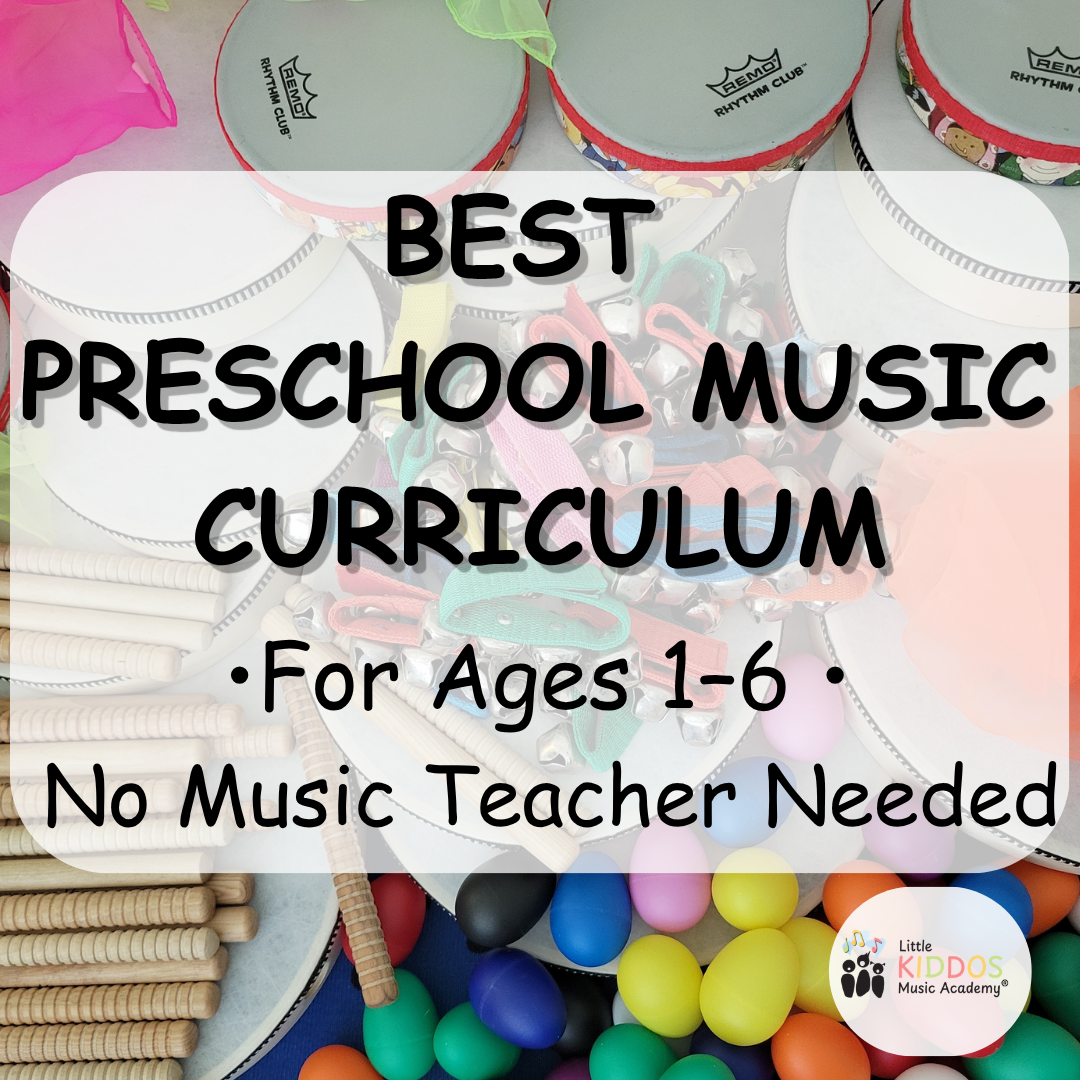
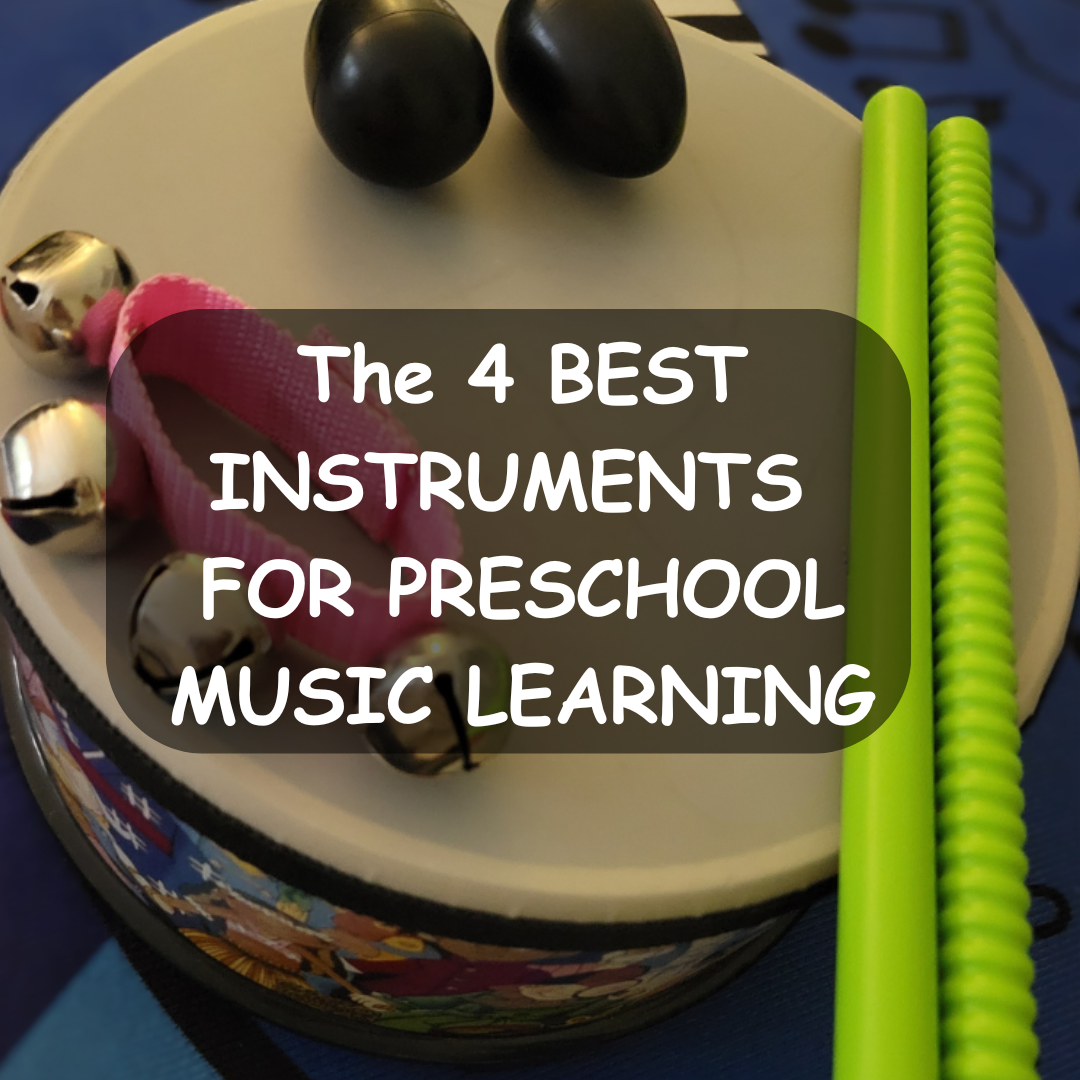
A handful of simple instruments goes a long way — egg shakers, rhythm sticks, drums, bells, scarves. That’s plenty for exploring rhythm, beat, movement, and musical expression.
And don’t sleep on the instruments already sitting around your house.
Clap your hands. Play an overturned plastic bowl. Tap two wooden spoons together. Pat your knees. Stomp your feet.
Your body is an instrument. (Yes, even if you can’t carry a tune. Especially then, honestly.)
What Does This Actually Look Like in a Homeschool Day?
Nothing fancy. Something like:
Morning: Kick things off with a favorite hello song.
Literacy: Sing, rhyme, clap syllables, or tie a song into whatever book you’re reading.
Movement break: Music on, dance/march/jump/scarves — pick your chaos.
Math: Count beats, build a pattern, play a rhythm copy-cat game.
Transition: A short cleanup or transition song.
Afternoon: A few minutes of instrument exploration or free musical play.
Quiet time: Listen to a piece of music together and talk about what you hear. (Psst, listening appreciation suggestions are a part of every single monthly newsletter…plus, STEAM-suggested activities.) Make sure you’re on the list!
That’s the whole thing.
No hour-long music lesson required. You don’t even have to call it “music class.”
The goal is just to make music a regular, low-key part of your child’s world.
“But I’m Not a Music Teacher…”
Good news! You don’t have to be to get started! Here’s the truth: you don’t need a music degree to sing with your kid. You don’t need to read music. You don’t need to play an instrument. And you absolutely do not need to be a good singer.
What kids actually need is an adult who’s willing to show up, listen, move, sing, and be a little silly with them.
If you want more structure and don’t want to reinvent the wheel every week, that’s where a real, developmentally-appropriate music curriculum can help.
A Curriculum Actually Built for This
My Little Kiddos Music® at-home video curriculum was made specifically for kids ages 1–6 — and for the parents and caregivers who want to bring in real music experiences without needing a music background themselves.
The lessons are designed to feel like a genuinely fun music class. Not a worksheet in disguise.
Kids sing, move, explore rhythm, play instruments, listen, and pick up the language of music through activities that actually match how little kids learn.
It’s a simple way to bring consistent, quality music time into your homeschool week — no music degree required, no prep pile growing in the corner.
Want More Music Ideas for Your Homeschool?
I send out simple, playful music ideas, activities, and resources for young kids every month in my newsletter, Musical Moments with Ms. Jenny.
Fresh ideas straight to your inbox — resources you can actually use without adding to your prep pile.
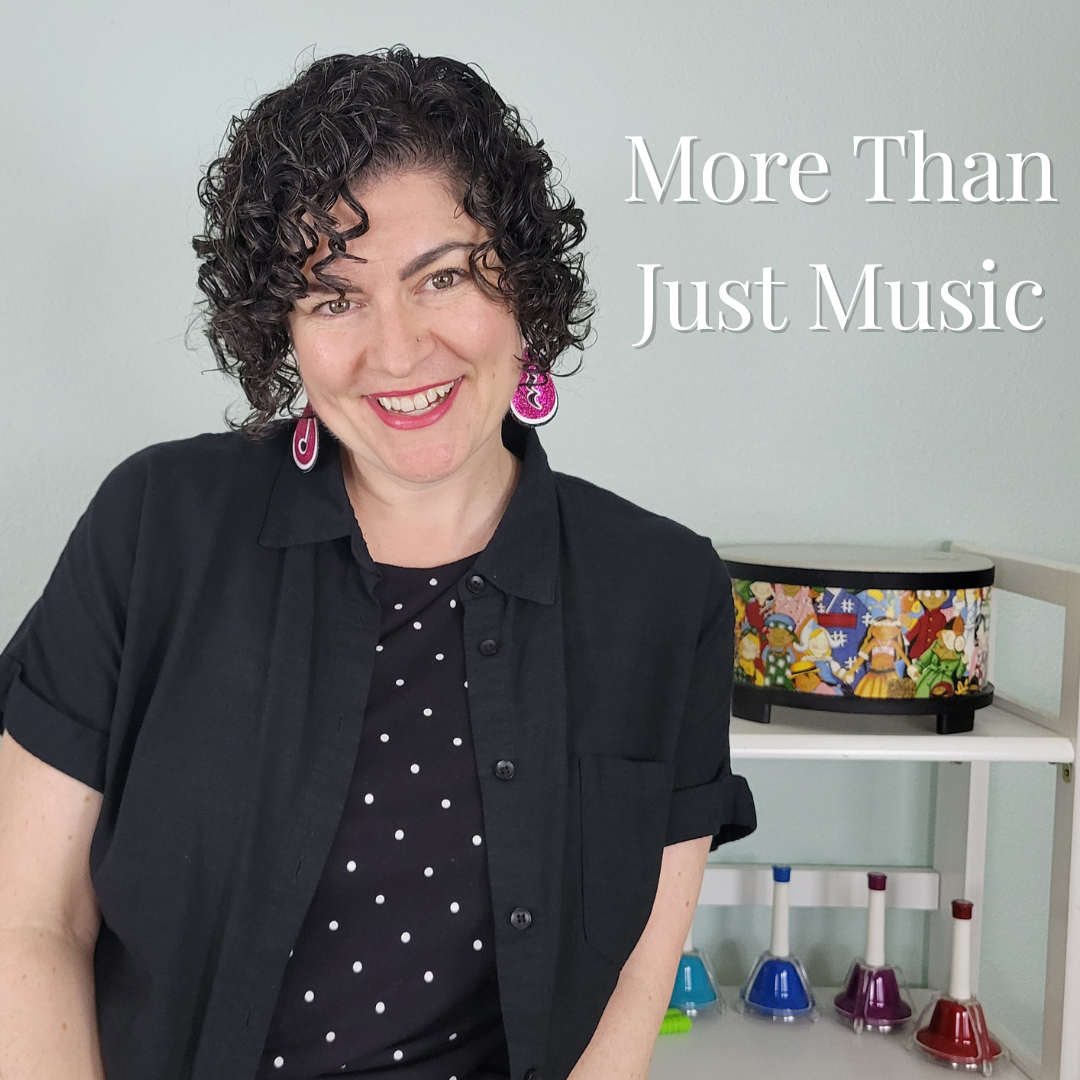
Jenny Martin, M.Ed. is the founder of Little Kiddos Music Academy® and has been developing early childhood music curriculum for over 25 years. Her video-based and written curriculum programs are used in preschools, childcare centers, early learning programs, and in homeschools across the country.
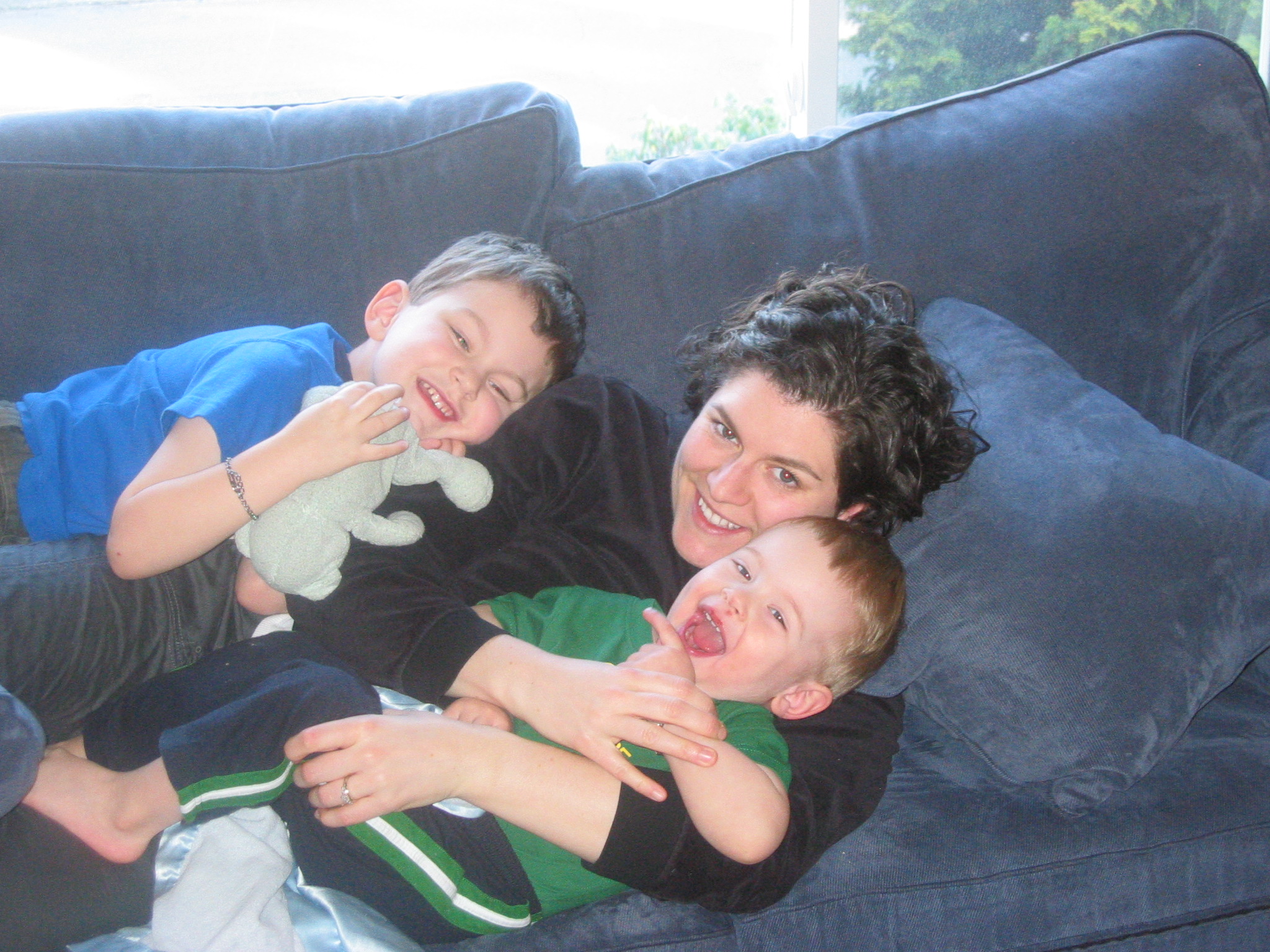
Ms. Jenny with her first 2 little kiddos.